Africa Yoon

The body is the instrument.

Body

Memory

Transmission

BodyMemoryTransmission

Africa Yoon portfolio narrative in eight blocks

01. Formation / Origin

The body enters the work before it becomes the subject.

BFA, Drama · Minor, Sociology

2000 · NYU Tisch School of the Arts

Africa’s formal training begins in theatre—before endurance, filmmaking, food, or KIMCHI BODY become part of the work.

Performance training

NYU Tisch · Experimental Theatre Wing / Lee Strasberg

At NYU Tisch, Africa studied within its New York studio system, including the Experimental Theatre Wing and Lee Strasberg. With permission, she also took additional non-NYU classes at Strasberg alongside actors outside her university cohort.

The body leaves the studio and enters public space.

02. Body as message

What if the body itself could carry the message?

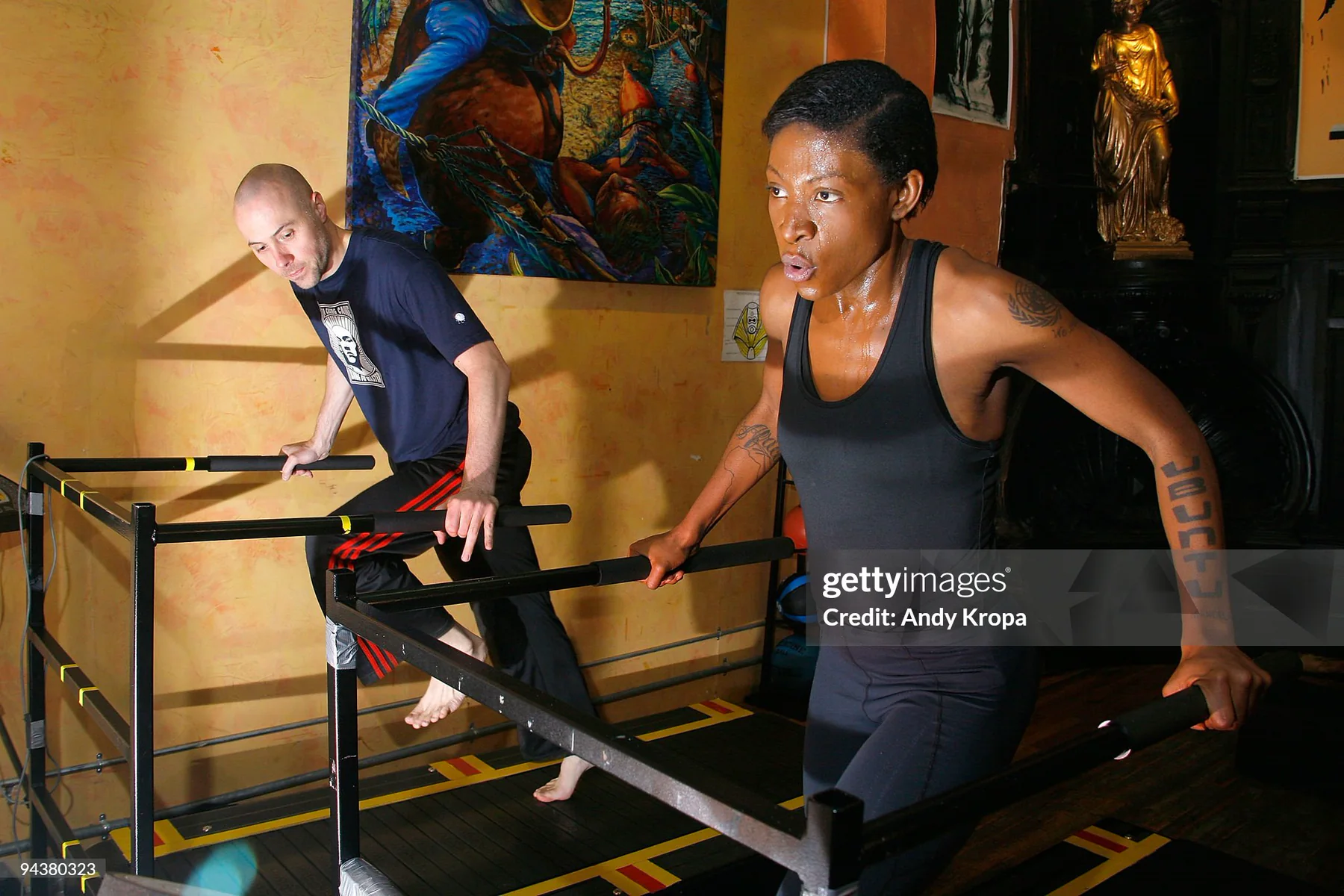
Africa Yoon training with movement practitioner Daniel Giel on treadmills

Training for endurance as public action

2009 · New York / Africa 101

Africa trains with movement practitioner Daniel Giel as running shifts from private exercise toward something performed, witnessed, and used to communicate.

The body becomes part of the message

2008–2010 · Africa 101 / I Love Africa

Running, performance, public engagement, and documentary media begin to operate as one practice. Physical action is no longer only preparation for the work—it becomes part of the communication system.

Putting the body inside the question

2010 · South Africa / Run to CIDA

Africa runs the distance from a student’s home toward CIDA City Campus, making the distance between educational opportunity and access physically visible.

The route becomes an encounter

2010 · South Africa / I Love Africa

On the road, Africa stops to push an older woman’s wheelbarrow. She gives the woman her running shoes and continues the run in her socks. The planned endurance action gives way to an unplanned act of exchange.

But movement doesn’t have to carry a message about something else. Movement can begin to speak for itself.

03. Body in motion

Change the intention of a movement, and the movement changes.

When does movement become expression?

2008–2010 · I Love Africa

Africa begins asking what separates an ordinary physical action from an expressive one. The question is no longer only how far the body can go, but what movement can mean.

Running opens into rhythm

2009 · New York / Movement study

Straight-line running gives way to jumping, rhythm, gesture, and play. Changing the intention behind the movement changes what the movement communicates.

Movement study

2010 · Italy / En route to Cannes

While running toward Cannes near the French border, Africa slips into dance and improvisation. Forward motion becomes material for play.

Movement study

2010 · Monaco / Stade Louis II

Near Stade Louis II, the run opens again into improvised dance—movement functioning as expressive language rather than simply transportation or exercise.

Then another question enters: What happens when the work is no longer about one body?

04. Participation / Other bodies

The work shifts from one moving body toward structures in which other people participate.

Passing the action on

2008–2010 · Africa 101 / I Love Africa

Africa brings young participants into the physical action. Endurance moves from an individual feat toward a shared task, teaching situation, and public encounter.

An embodied conversation

2019 · The Conversation / K America Foundation

With Korean adoptees, Africa facilitated a drama-based embodied experience using movement and dramatic exercises to explore identity, adoption, and relationships to birth family.

Physical action created another way to approach feelings that were difficult to reach through conversation alone.

Full-length documentation of the embodied session.

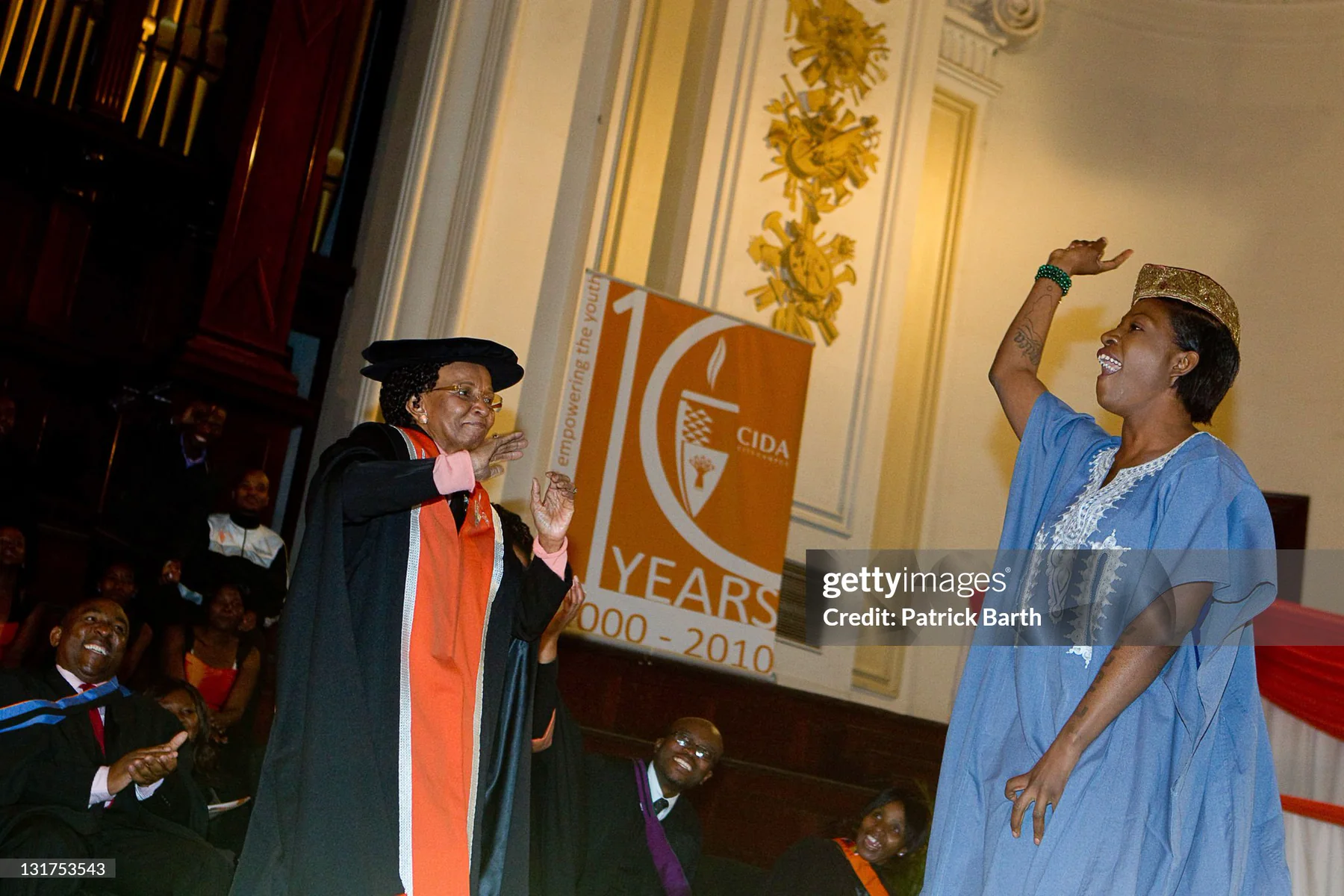
Africa Yoon with a group of CIDA students
Africa Yoon in a CIDA gathering
Africa Yoon participating in a CIDA event

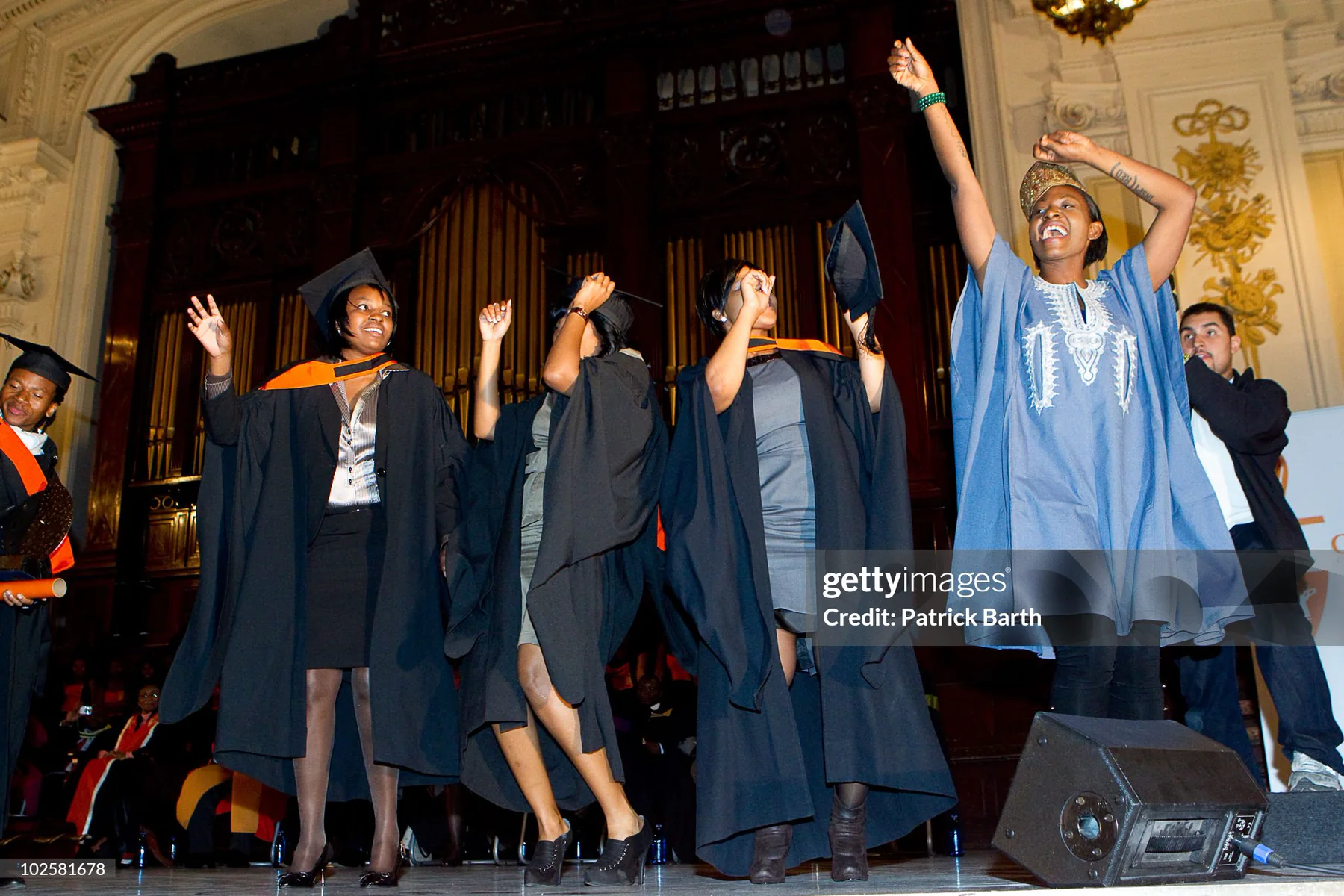
From audience to participation

2010 · CIDA City Campus / South Africa

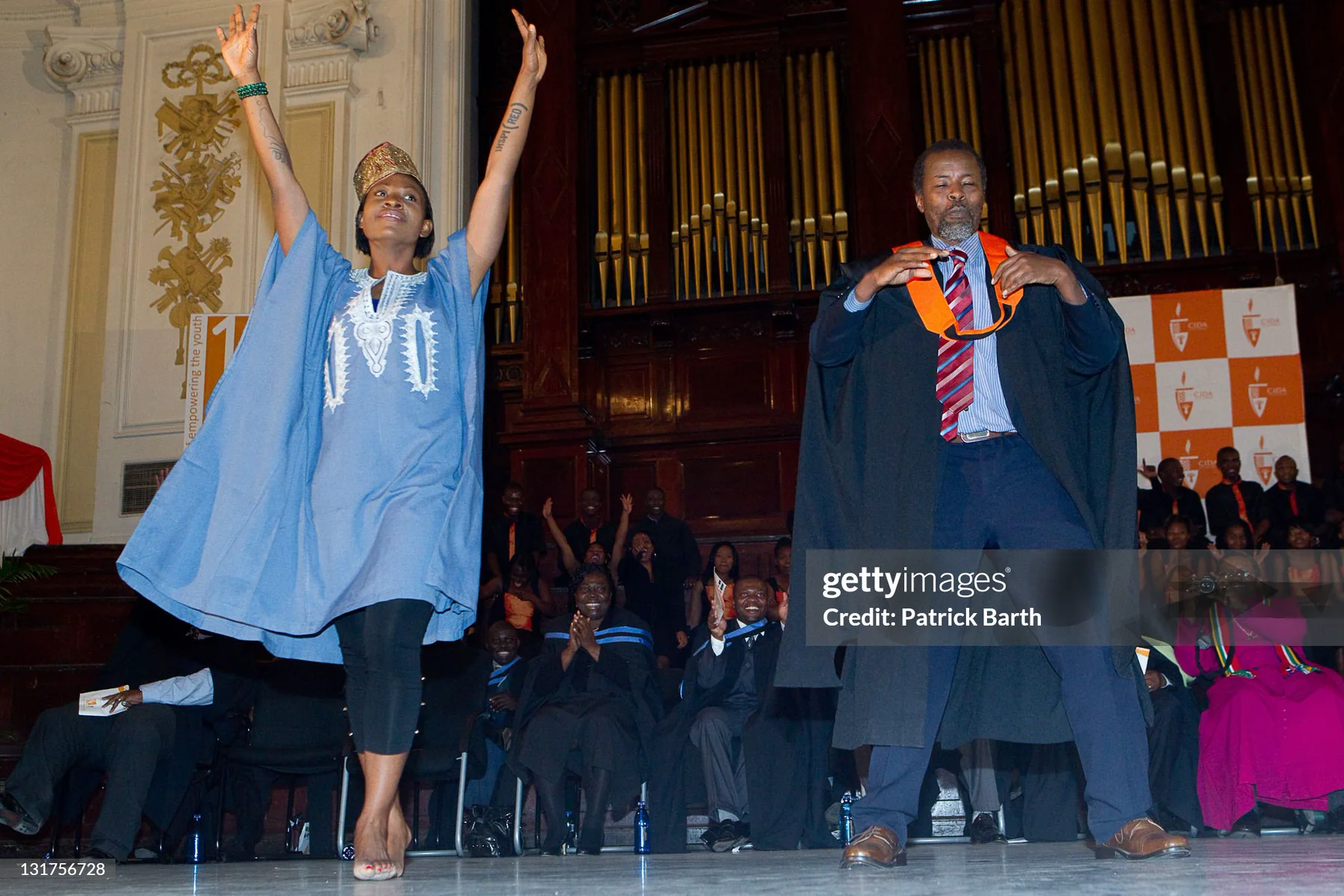
A formal graduation environment opens into collective movement. Students, faculty, and guests stop functioning only as spectators and enter the event themselves.

The room becomes part of the work

2010 · CIDA City Campus / South Africa

Shown in full because the changing energy, duration, and participation of the room are part of the performance—not simply a highlight to be extracted from it.

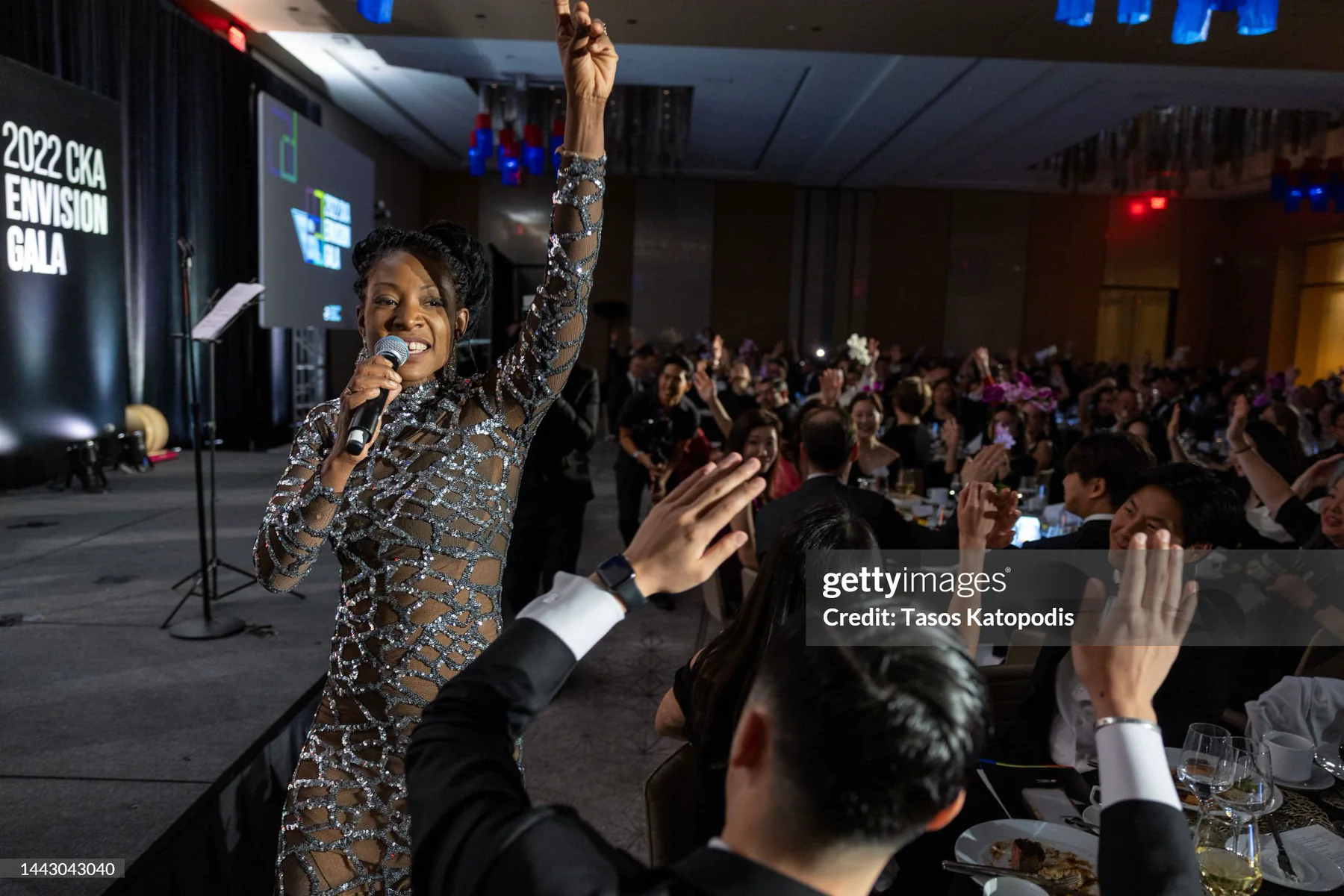
Africa Yoon delivering a spoken-word acceptance performance at a CKA event

The stage–audience boundary opens

2022 · Council of Korean Americans / Embrace Unity Award

Africa turns her award acceptance speech into a spoken-word performance, using the formal ceremony itself as performance space rather than delivering a conventional acceptance speech.

Participation changes the artist, too.

05. Culture / Encounter

Culture enters the work through relationship, not extraction.

An encounter becomes a relationship

2021 · The Korean

An unexpected encounter with an older Korean woman at H Mart develops into an ongoing relationship around food, shopping, learning, and care.

What begins as a body story gradually becomes a story about cultural encounter and being changed through relationship.

The deeper story is not an ingredient. It is what encounter made possible.

Transmission

2021 · The Korean

Daniel Dae Kim shares Africa’s memoir with his audience. The meaningful gesture is not celebrity validation but transmission: someone from another community chooses to carry a story farther.

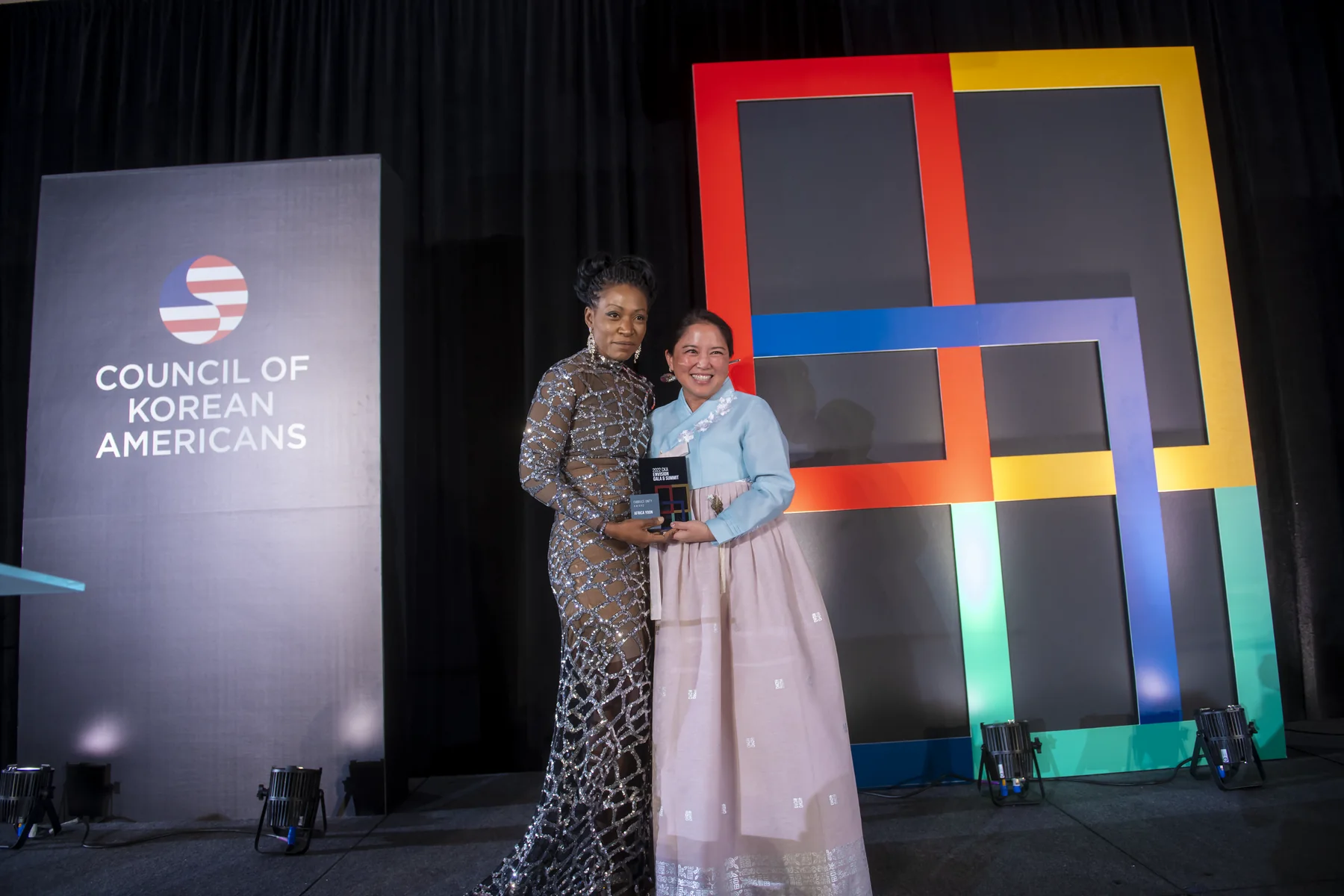
Embrace Unity Award

Embrace Unity Award

2022 · Council of Korean Americans

Africa is recognized for work building connection across racial and cultural communities.

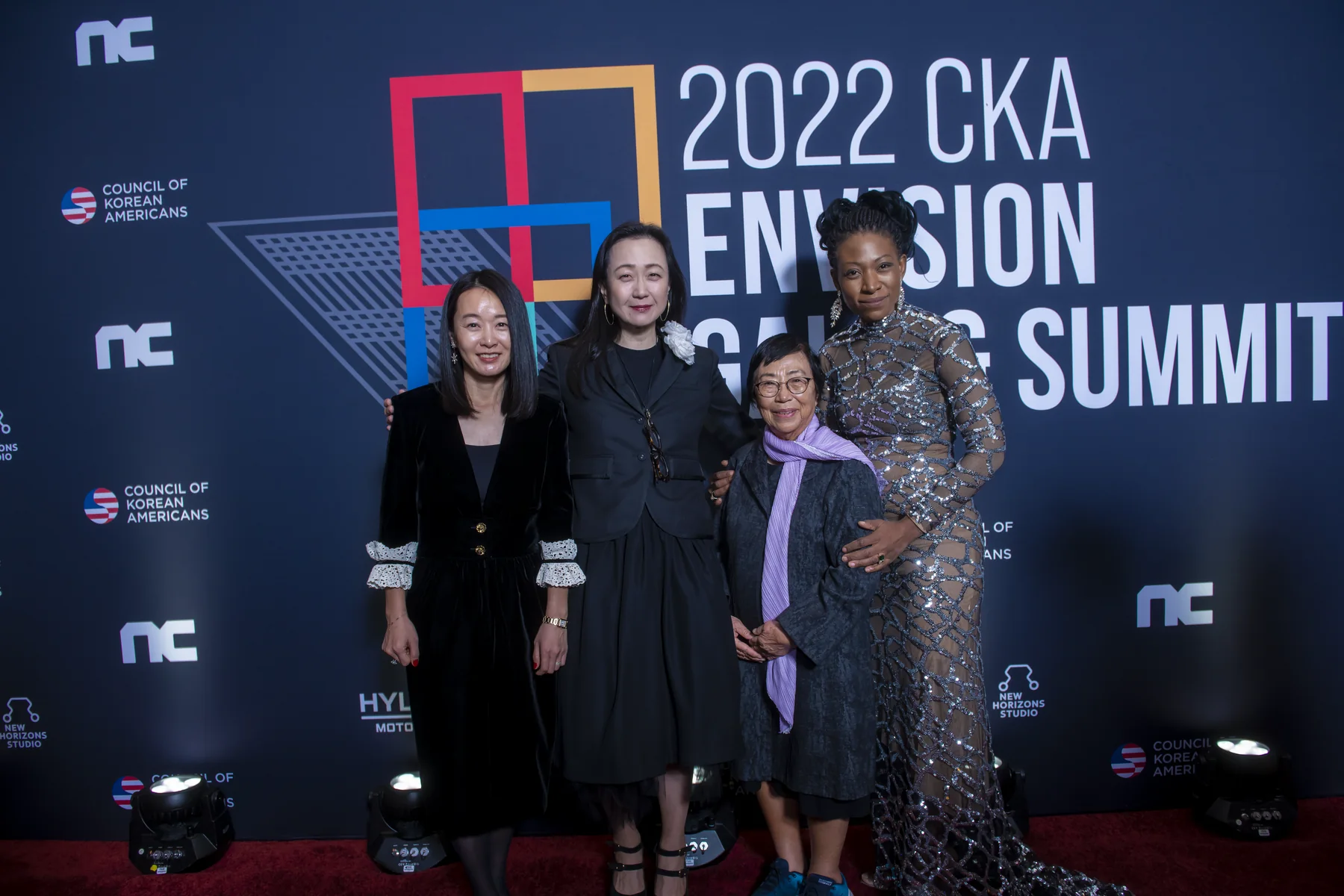
Fellow honorees at the Council of Korean Americans Embrace Unity Awards

Connection becomes reciprocal

2022 · Council of Korean Americans / Embrace Unity Awards

Africa joins a Korean-American community of cultural, civic, and business leaders. Fellow honorees included NCSOFT’s Dr. Songyee Yoon, Pachinko author Min Jin Lee, and Judge Koh.

Encounter becomes a method.

06. Finding the language

What began as instinct becomes a method. Enter → Experience → Translate → Share

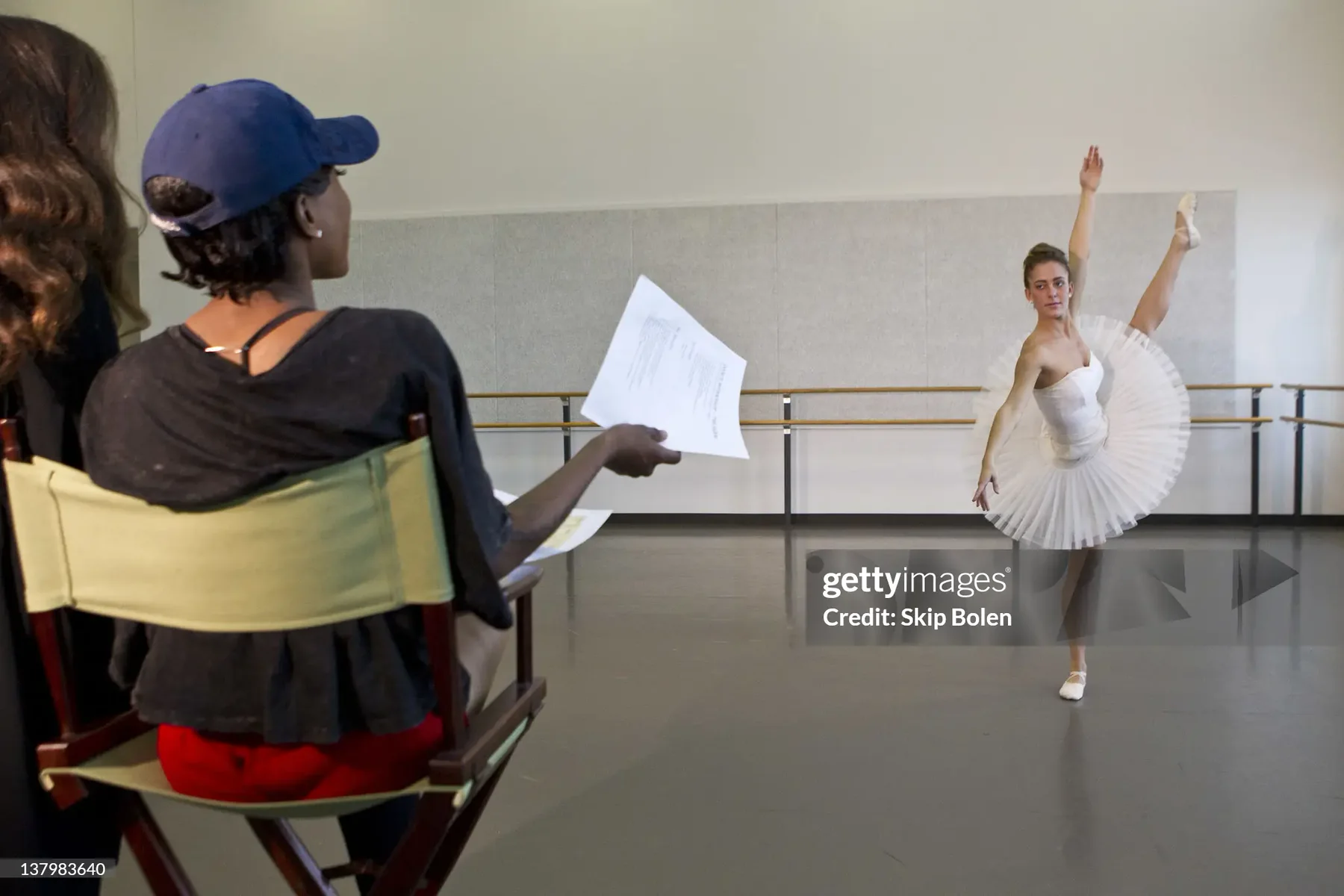
Africa Yoon seated in a director's chair during a NOCCA process

The question changes form

2011–2013 · The Skinny

The Skinny: How to Lose 100 Pounds and Change the World Too begins as development for a one-woman performance and musical.

The finished staged performance never happens—but the inquiry refuses to disappear. It changes form.

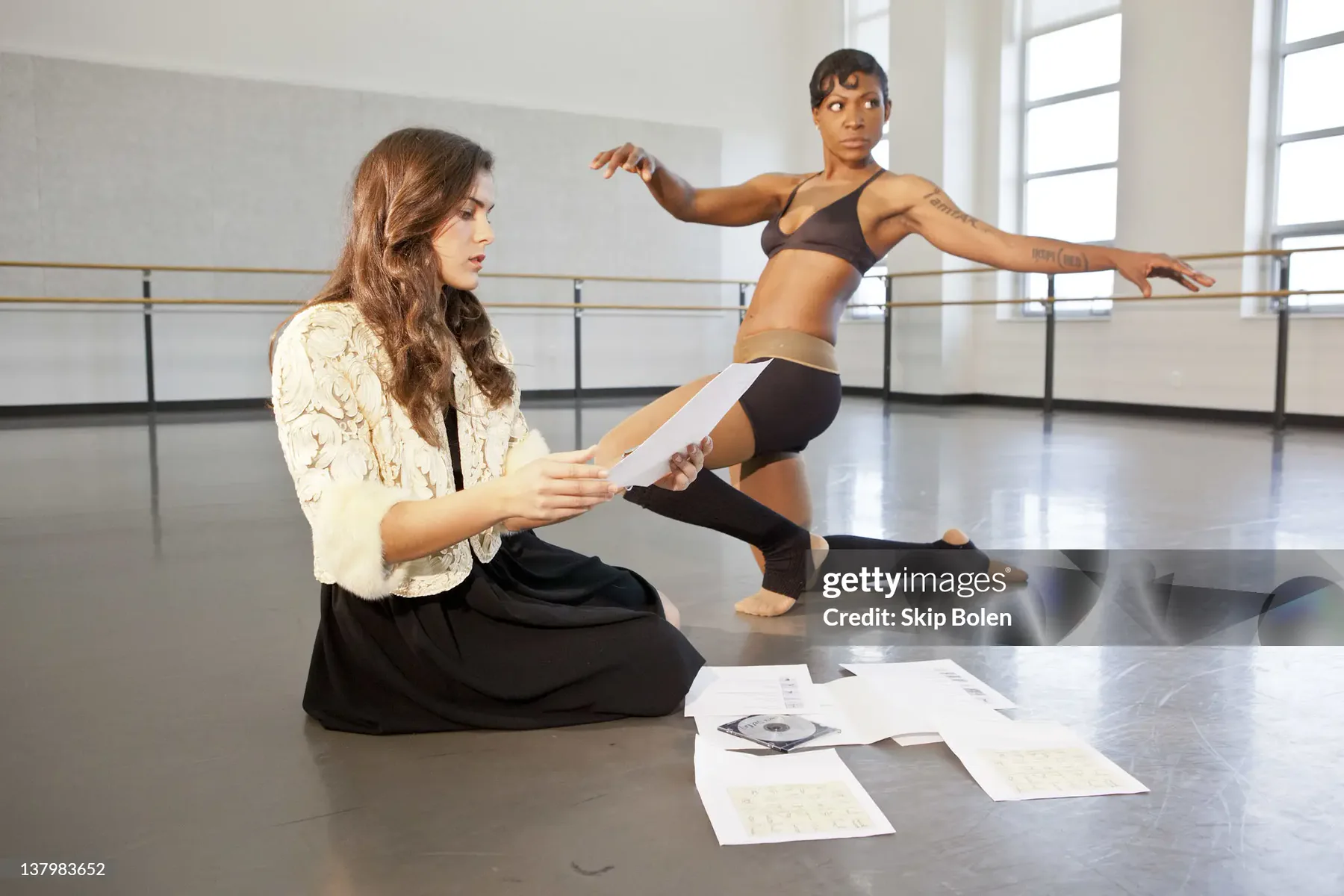
Notes and embodied inquiry on a studio floor during a NOCCA process

From personal story to shared movement

2012 · New Orleans Center for the Creative Arts

Dance and choreography workshops move a personal body-transformation story out of the individual body and into collective physical exploration.

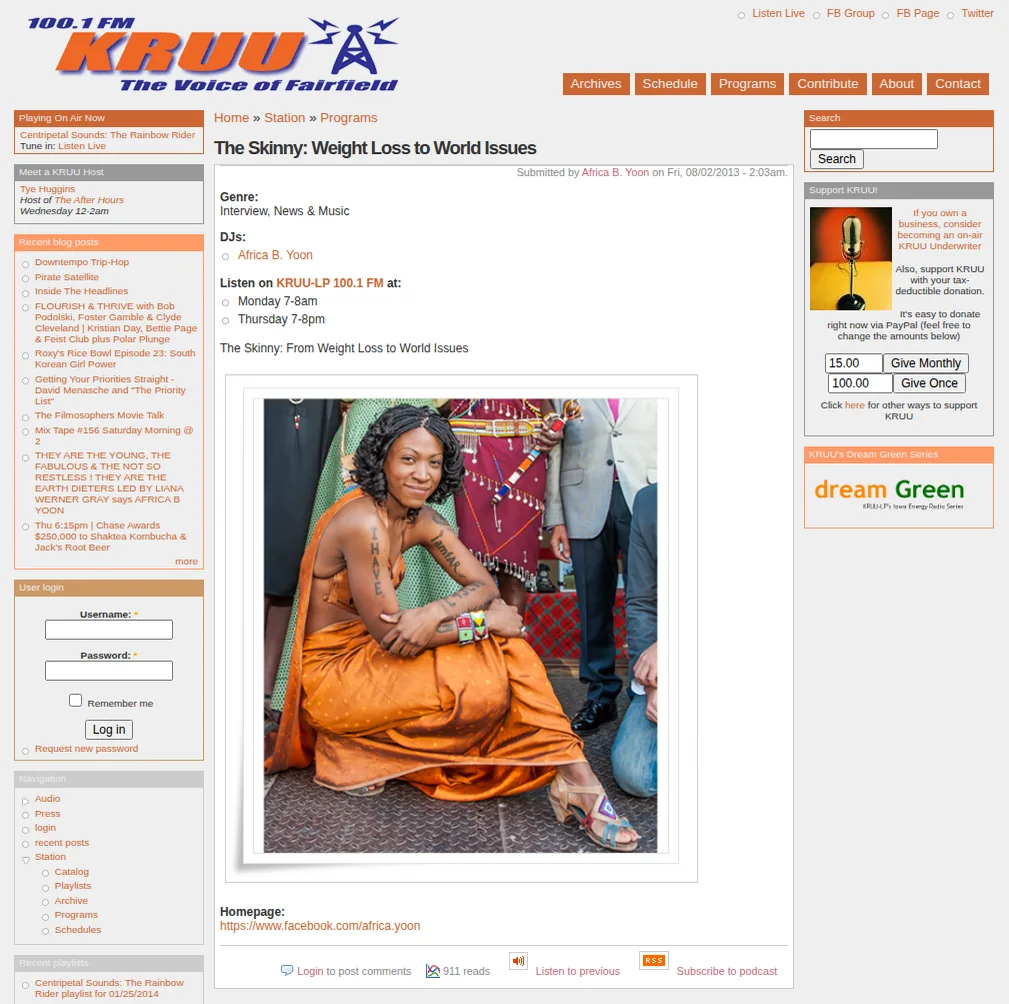
Archival KRUU-FM webpage screenshot

The Skinny: Weight Loss to World Issues

2013 · KRUU-FM

The inquiry moves again—from performance development and choreography into recurring radio conversation.

The form changes. The question survives.

Enter the practice

2016 · Inside American Fitness / PBS

As Host and Executive Producer, Africa repeatedly enters the physical practices she is reporting on instead of remaining outside them.

Listen → Enter → Attempt → Test → Join → Reflect

Another body offers the grammar. Africa tests it in her own. What remains becomes language she can pass on.

Processing Heritage Radio Network

2021

Articulating the method

Loading audio trace

Africa reflects on a life spent bringing entertainment and activism together—and on the difference between knowing about an experience and carrying it in one’s own body.

By 2021, she is beginning to articulate aloud what the archive has already shown.

The method now has a name: The body is an instrument.

07. Body as instrument

Movement. Breath. Voice. Presence.

The performing body as instrument

2026 · Current practice / Africa Yoon × Laure Mafo

With Cameroonian-French pansori artist Laure Mafo, Africa’s current inquiry moves between movement, breath, voice, rhythm, and listening.

The work asks how a performing body can receive another person’s rhythm, change through encounter, and answer with form.

Working study

If the body is an instrument—what does it already know?

08. Body → Memory → Transmission

What does the body know?

Body

What does your body know that you have never put into words?

Memory

What has it carried, inherited, learned, forgotten, or transformed?

Transmission

How can that embodied knowledge become movement, sound, image, story, or technology that another person can encounter?

At CultureHub Korea / SeoulArts, Africa proposes a collaborative studio built around these questions.

She brings a structure for embodied inquiry. Students bring the knowledge already carried in their bodies, languages, histories, and artistic disciplines.

The work begins with what neither side can know in advance.

What might it become when we make it visible, audible, movable—and shareable?

Full-length documentation of the embodied session

The Conversation

The short portfolio edit carries the main narrative. This full session is available for reviewers who want to spend more time with the embodied, drama-based experience.

The work continues through encounter

Across more than two decades, Africa Yoon’s work has moved through theatre, endurance, film, participatory media, teaching, writing, food, sound, and movement. The forms change, but a method persists: enter experience through the body; let it become story; transform it through another medium; offer it back as an encounter.

At CultureHub Korea / SeoulArts, BODY → MEMORY → TRANSMISSION becomes a shared studio practice. Africa brings a structure for embodied inquiry, not a fixed answer. Students bring the knowledge already carried in their bodies, languages, histories, and artistic disciplines. Together they ask what survives translation, what changes through encounter, and how movement, sound, image, text, and technology can make embodied knowledge shareable without reducing it.

The residency culminates not in students reproducing Africa’s work, but in a collaborative environment capable of changing her work too.

What does the body know—and what becomes possible when that knowledge is made visible, audible, movable, and shared?

만남을 통해 계속되는 작업

20년이 넘는 시간 동안 아프리카 윤의 작업은 연극, 장거리 달리기, 영화, 참여형 미디어, 교육, 글쓰기, 음식, 소리와 움직임을 넘나들어 왔습니다. 형식은 달라져도 하나의 방법은 계속됩니다. 몸으로 경험에 들어가고, 그것을 이야기로 만들고, 다른 매체를 통해 변형한 뒤, 다시 누군가가 만날 수 있는 경험으로 건넵니다.

CultureHub Korea / 서울예술대학교에서 BODY → MEMORY → TRANSMISSION은 공동의 스튜디오 실천이 됩니다. 아프리카는 정답이 아니라 몸을 통해 탐구할 수 있는 구조를 가져옵니다. 학생들은 각자의 몸, 언어, 역사, 예술적 훈련 속에 이미 축적된 지식을 가져옵니다. 함께 우리는 번역 속에서 무엇이 남고, 만남 속에서 무엇이 변하는지, 그리고 움직임·소리·이미지·텍스트·기술이 몸에 축적된 지식을 단순화하지 않으면서 어떻게 다른 사람과 나눌 수 있는 형태로 만들 수 있는지를 탐구합니다.

이 레지던시의 결말은 학생들이 아프리카의 작업을 재현하는 것이 아닙니다. 학생들이 만든 작업이 아프리카 자신의 작업까지 변화시킬 수 있는 공동의 환경을 만드는 것입니다.

몸은 무엇을 알고 있는가? 그리고 그 지식을 보이게, 들리게, 움직이게, 함께 나눌 수 있게 할 때 무엇이 가능해지는가?
Kimchi Body

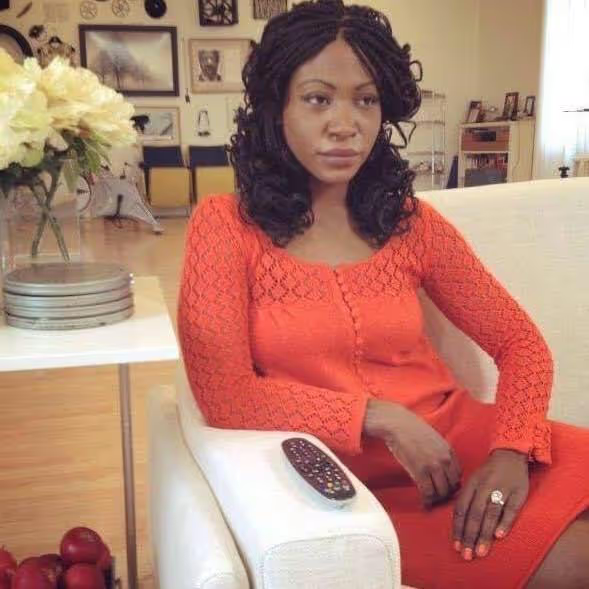
Africa Yoon, seated in an orange dress beside white flowers and film-reel canisters

Artist

Africa Yoon

Interdisciplinary artist · Teaching artist · Writer · Media maker

Africa Yoon works across performance, movement, participatory media, film, writing, public engagement, and intercultural practice. She earned a BFA in Drama from NYU Tisch School of the Arts with a minor in Sociology, with training that included the Experimental Theatre Wing and Lee Strasberg. Her work includes How Are You? The Millennium Development Goals; Africa 101 / I Love Africa; The Skinny; PBS’s Inside American Fitness; and The Korean, published in English in 2021 and in Korean translation as 우연하고도 사소한 기적 in 2022. Across changing forms, Yoon returns to the body as artistic material and as a carrier of memory, culture, and change. Her current KIMCHI BODY research asks how embodied knowledge can become movement, sound, text, image, and technology that another person can encounter.

© 2026 Africa Yoon